
High-Speed Disperser
Improving the efficiency and safety of material dispersion
Agitation and dispersion of solid-liquid mixed materials.


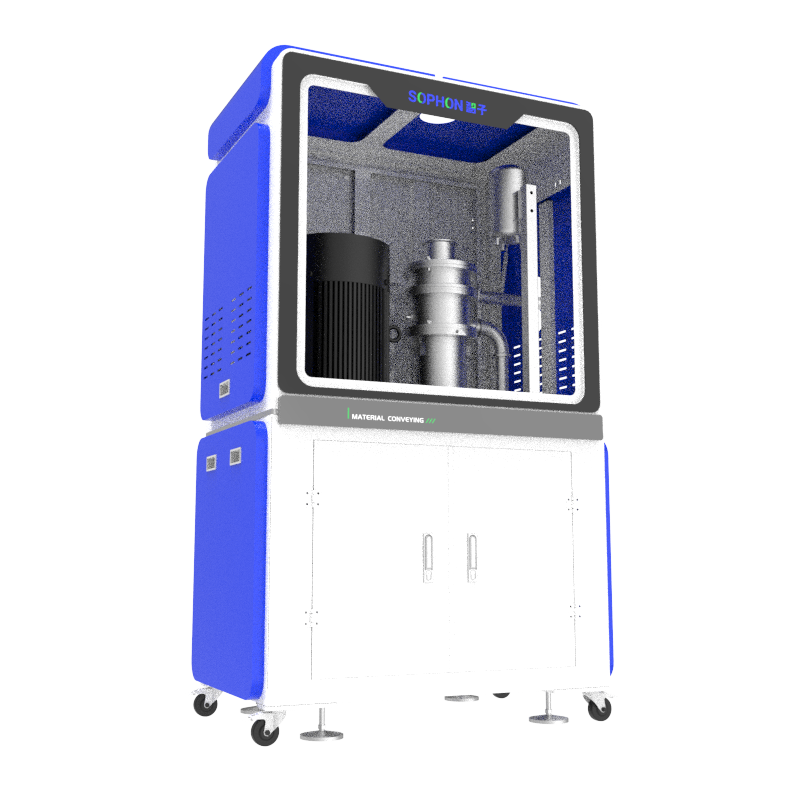
Product Characteristics

Efficient dispersion
Rapidly disrupts interparticle van der Waals forces, electrostatic forces, and cavitation effects.

Controllable Quality
Deterministic dispersion design ensures minimal batch-to-batch variation in slurry, preventing quality fluctuations at the source.

Precise Temperature Control
Small flow cross-section + multi-channel cooling structure + PID dynamic adjustment prevent material degradation due to high temperatures.

Stable Powder Supply
Multi-parameter linkage control automatically adjusts powder feeding speed, eliminating risks of clogging and overload in high-viscosity conditions.
Technical Parameters
| Name | Parameters |
| Equipment Name | High-Efficiency Disperser |
| Processing Capacity | 5L/h~1500L/h |
| Motor Power | 1.1kW~220kW |
| Standard Linear Velocity | 10m/s~40m/s |
Maintenance and Services
of High-Efficiency Disperser
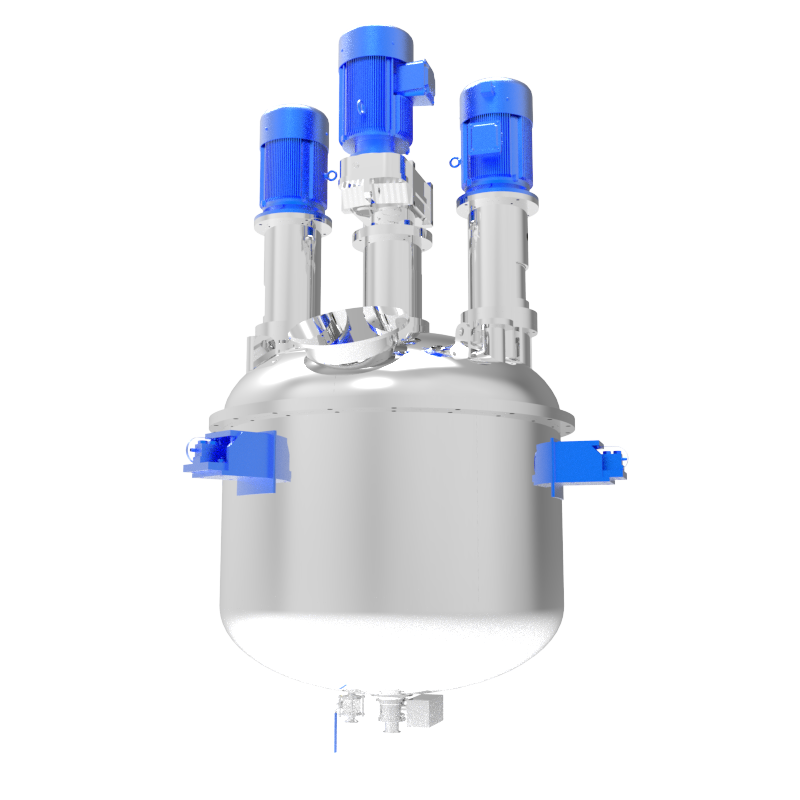
Expert Consultation Portal
Assisting you in formulating industrial upgrade plans



Committed to becoming
a world-leading service provider
of material handling technologies

Contact information
Leave your contact information and a dedicated consultant will get in touch with you as soon as possible.


