
Vibrating Feeder
Ensure stable material supply for subsequent processes, enhance conveying efficiency, and reduce material loss and dust pollution
The material movement is driven by high-frequency vibration. The conveying volume is controlled by adjusting the vibration parameters to achieve uniform feeding.


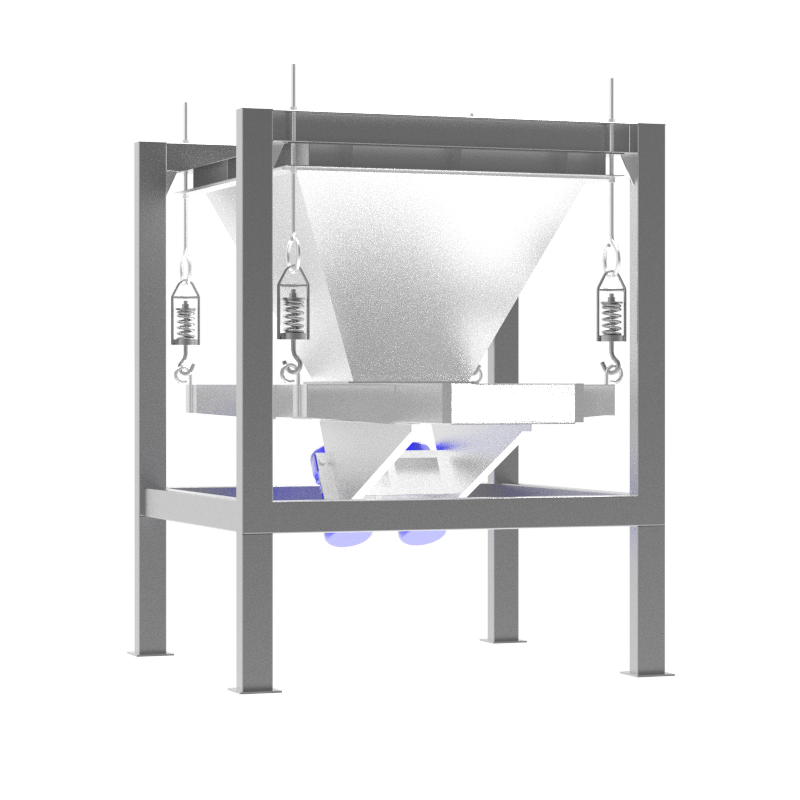
Product Characteristics

Precise Material Control
The vibration parameters can be adjusted to precisely control the conveying capacity, meeting different feeding requirements.

Widely Compatible
Compatible with various materials such as granules and powders, and suitable for scenarios like crushing and screening.

Stable Operation
Simple structure with low failure rate; smooth conveying without clogging; enables continuous operation.

Easy Maintenance
Compact design; easy disassembly and assembly of key components; low maintenance costs.
Technical Parameters
| Name | Parameters |
| Equipment Name | Vibrating feeder |
| Working Frequency | 25~50Hz |
| Maximum Length | 10000mm |
| Drive | Vibrating motor, electromagnetic vibrator |
Maintenance and Services
of Vibrating Feeder
Other products
-
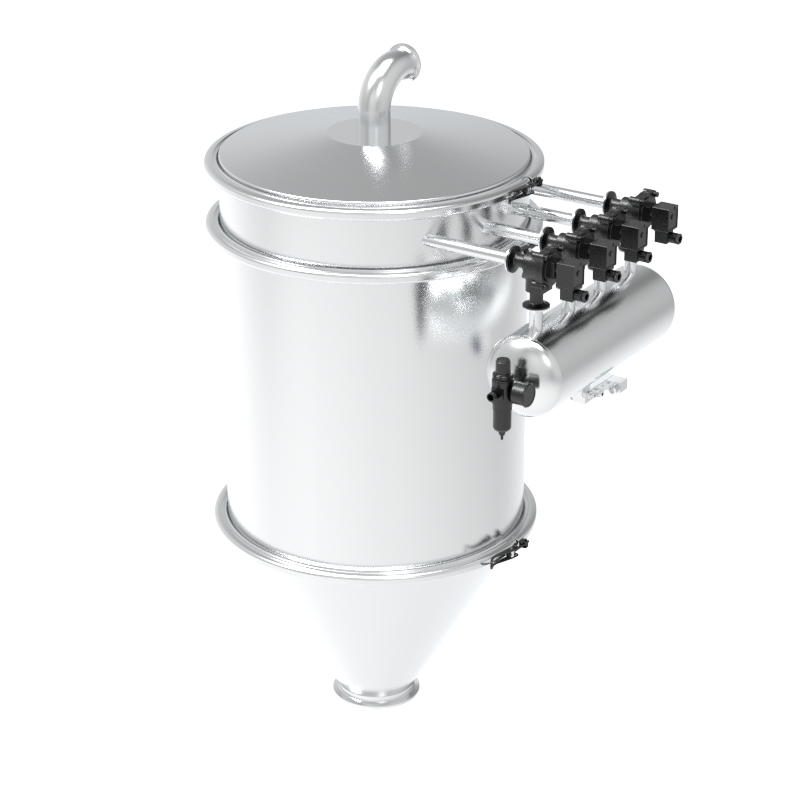
Vacuum Feeder
Pneumatic conveying of powder, granular and fibrous materials under negative pressure
-
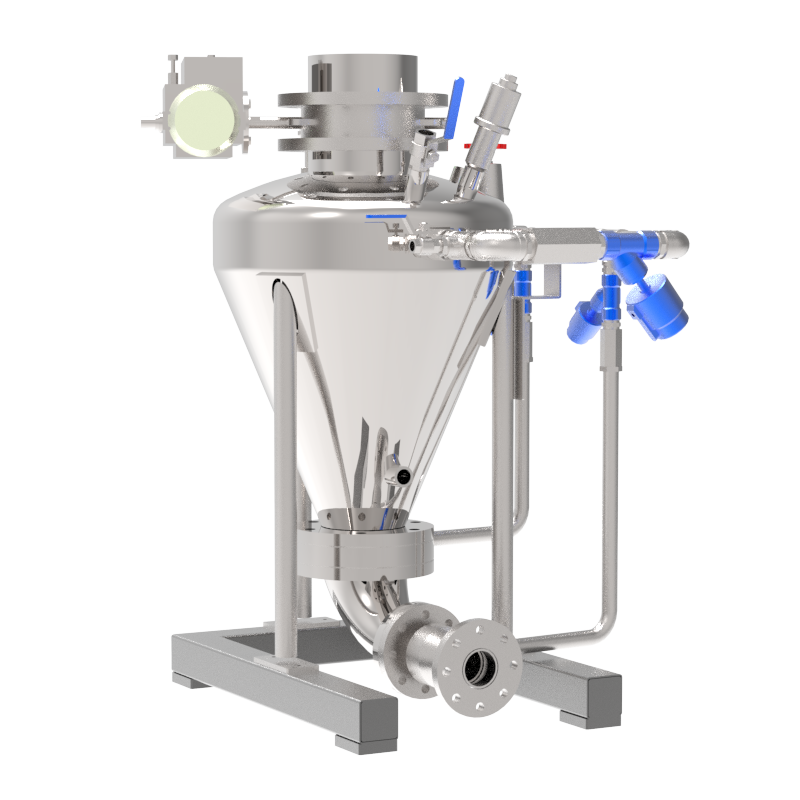
Positive Pressure Conveying Bin Pump
Powder materials are conveyed under positive pressure
-
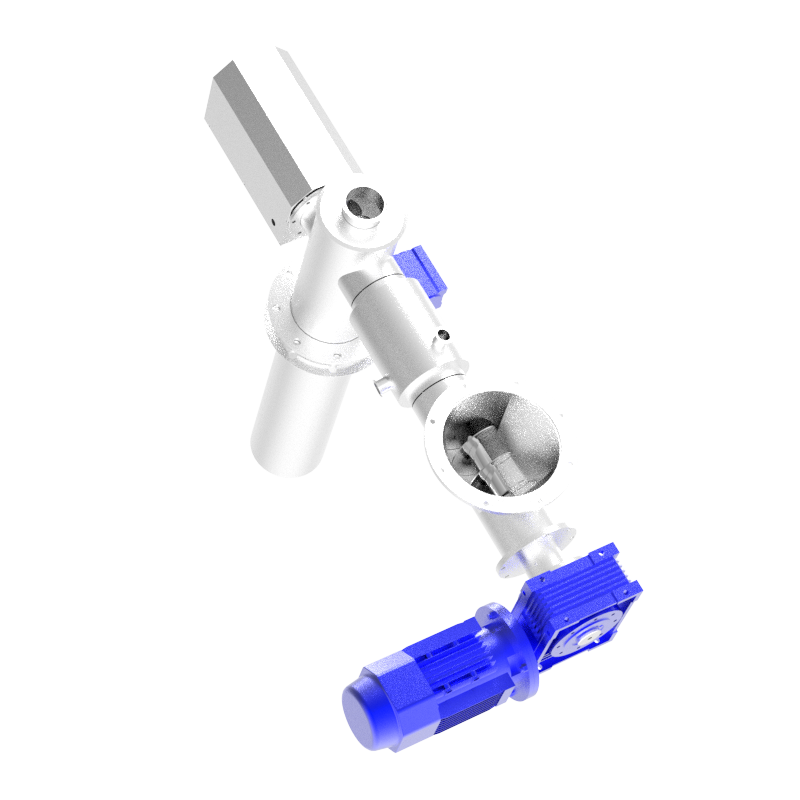
Screw Conveyor
By rotating screw blades, materials are continuously driven along the trough, achieving uniform material conveyance.
-
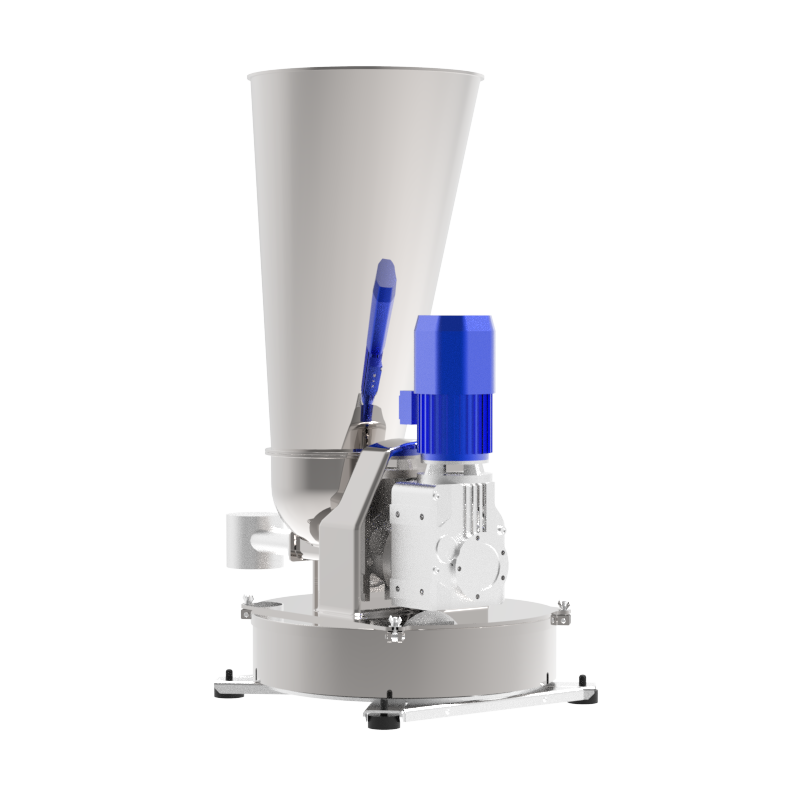
Lost-in-Weight Feeder
Automatically adjusts the feeding speed to prevent fluctuations in material volume from affecting production line operations.
-
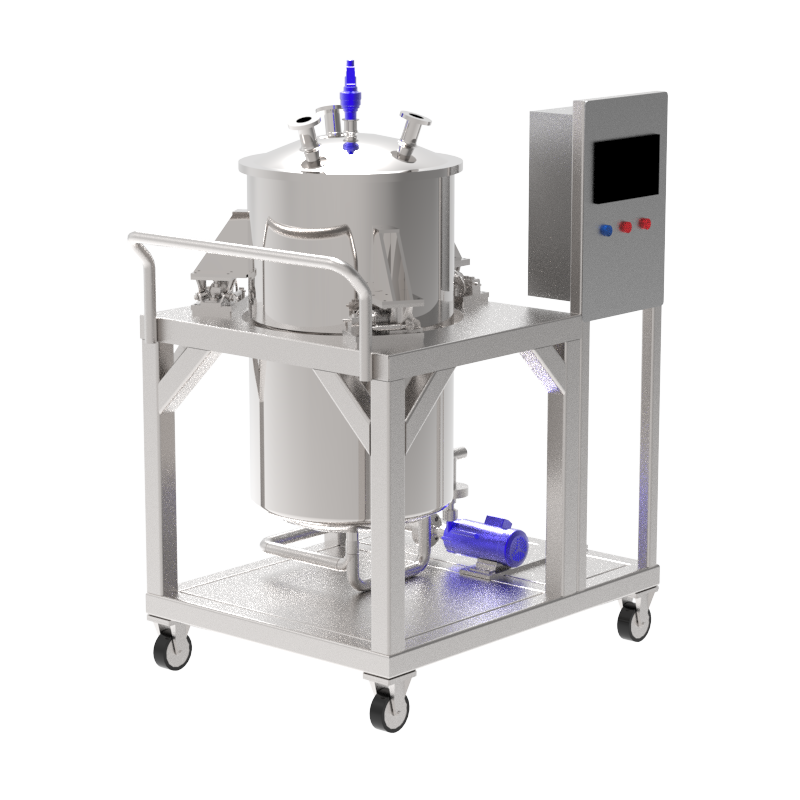
Mobile Quantitative Filling Machine
Freely movable to meet decentralized and multi-point injection requirements.
Expert Consultation Portal
Assisting you in formulating industrial upgrade plans



Committed to becoming
a world-leading service provider
of material handling technologies

Contact information
Leave your contact information and a dedicated consultant will get in touch with you as soon as possible.


