
Scraper Filter
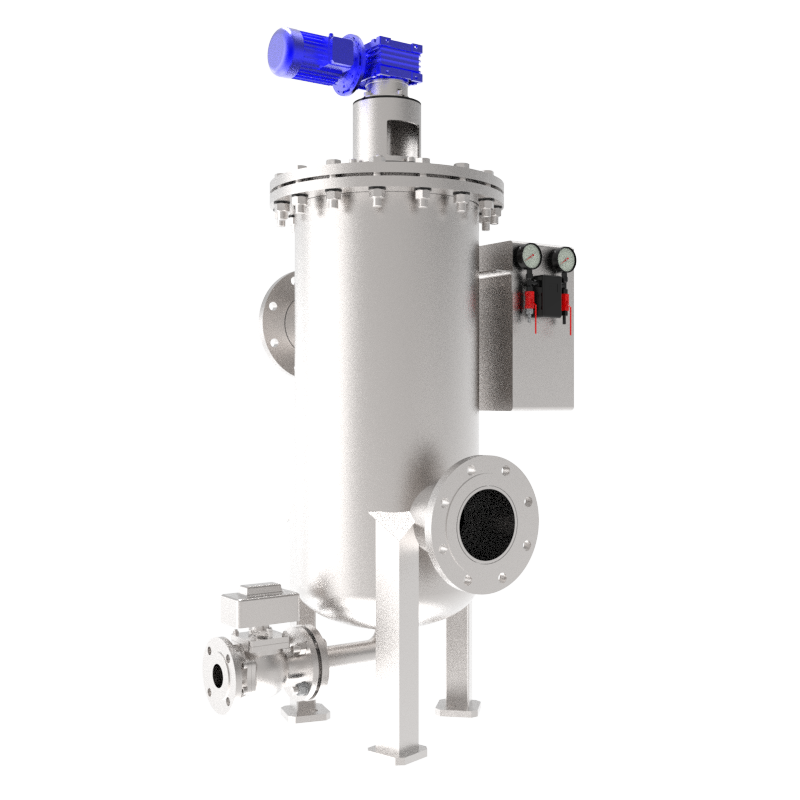
Quickly intercept fluid impurities and automatically clean the filter screen through the scraper
Remove impurities to ensure fluid purity without requiring shutdown for disassembly and cleaning, supporting continuous operation and minimizing production downtime losses.


Product Characteristics

Strong Adaptability
Capable of handling fluids with high viscosity and high impurity content; can be used for general liquid filtration.

Continuous Operation
Utilizes an automatic scraper for residue removal, eliminating the need for shutdown and filter disassembly, thereby reducing production interruptions.

Easy Maintenance
Filter screen replacement is straightforward, requiring no complex disassembly, which lowers maintenance costs and difficulty.
Technical Parameters
| Name | Parameters |
| Equipment Name | Scraper filter |
| Filtration Accuracy | 0 to 200 mesh |
| Production Capacity | 0~30L/min |
| Power | 0.4kW |
| Screen Mesh Structure | Wedge wire cylinder/ Composite wedge wire cylinder |
Maintenance and Services
of Scraper Filter
Other products
-
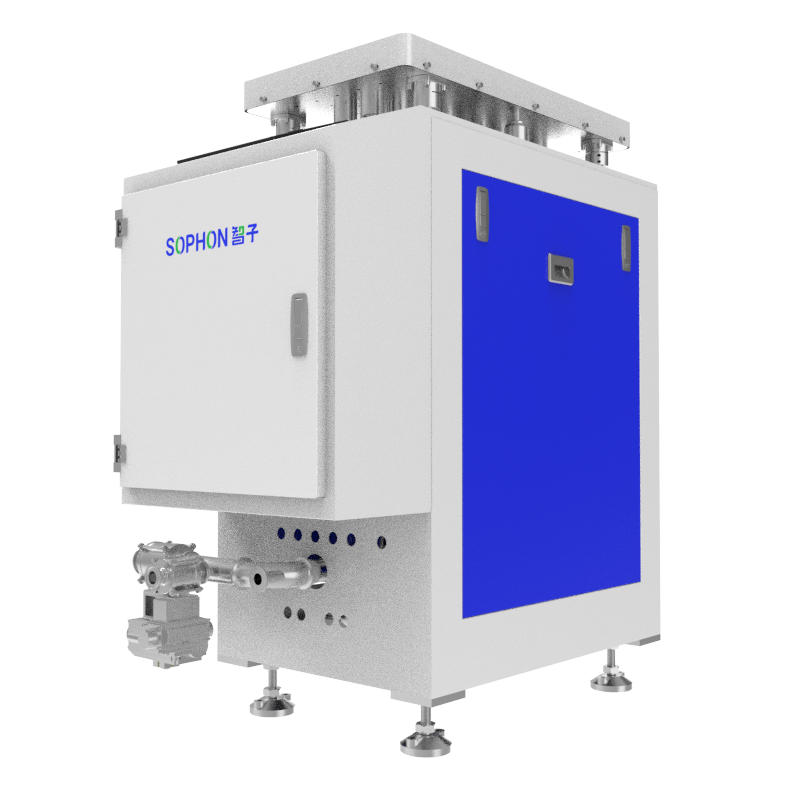
High-Efficiency Magnetic Separator
Fully automated system that removes ferromagnetic impurities from materials using magnetic rods.
-
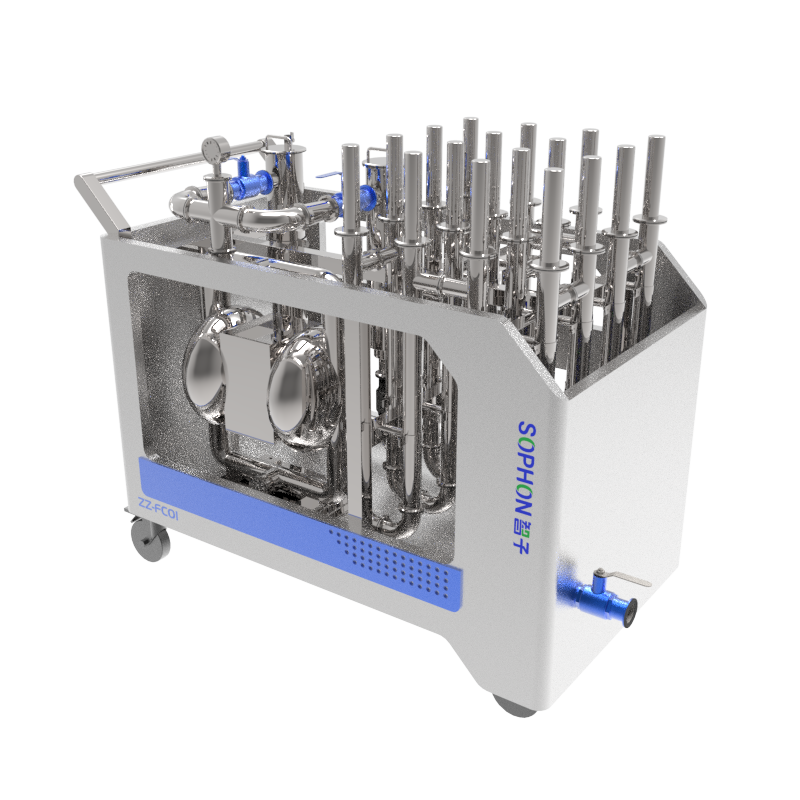
Iron Removal Filter Trolley
Portable type; remove ferromagnetic impurities from materials via magnetic rods.
-
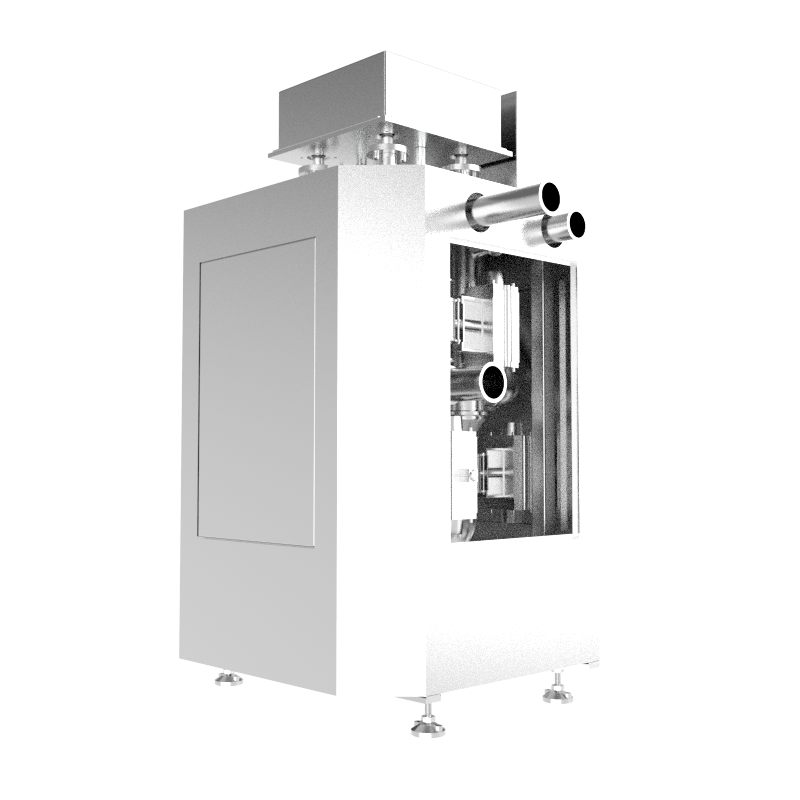
Magnetic Separator for High-Viscosity Materials
Fully automatic type, removing ferromagnetic impurities from materials through magnetic rods.
-
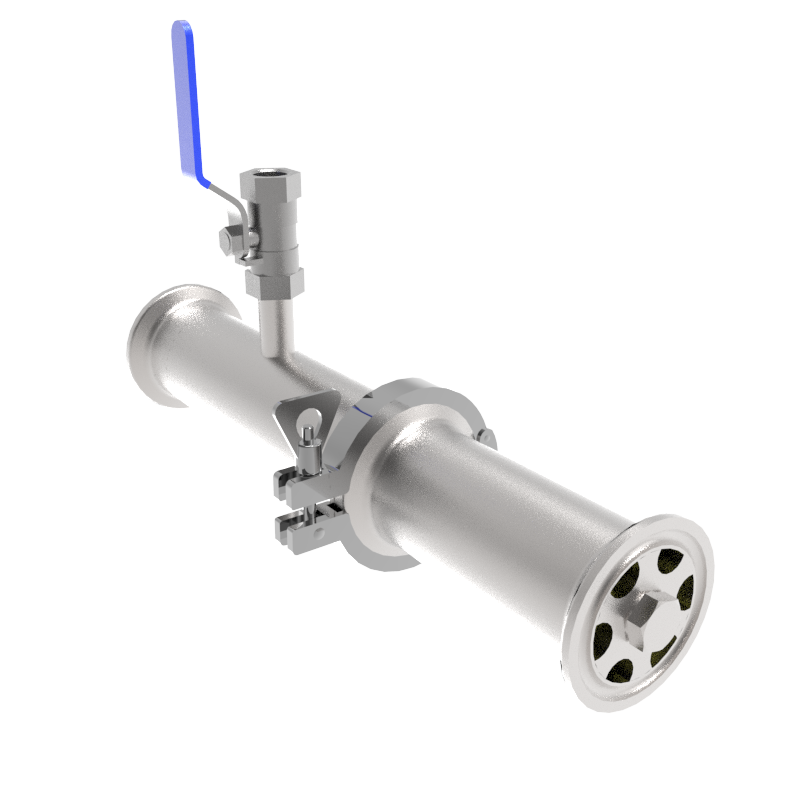
Pipeline Iron Remover
Pipeline type, removes ferromagnetic impurities from materials through magnetic rods
-
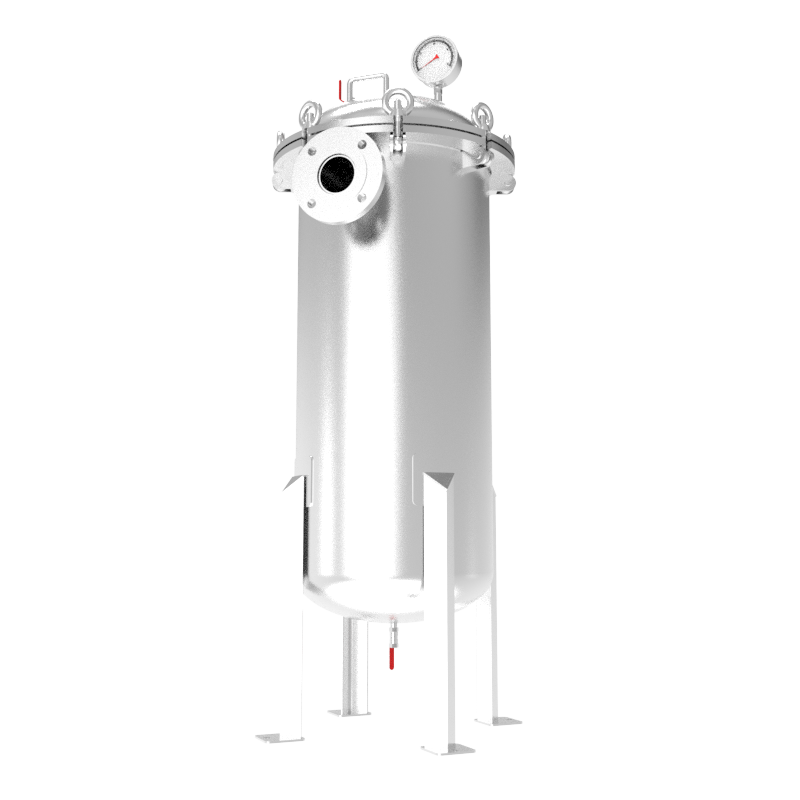
Bag Filter
Remove solid particles, suspended matter and other impurities from the liquid.
Expert Consultation Portal
Assisting you in formulating industrial upgrade plans



Committed to becoming
a world-leading service provider
of material handling technologies

Contact information
Leave your contact information and a dedicated consultant will get in touch with you as soon as possible.


